Overview
University City is one of the most distinctive inner-ring communities in the St. Louis area, offering a mix of historic character, varied housing options, and a highly convenient location near major educational, cultural, and medical centers. Buyers are often drawn to University City for its accessibility, architectural variety, established neighborhoods, and its strong position along the central corridor.
Housing
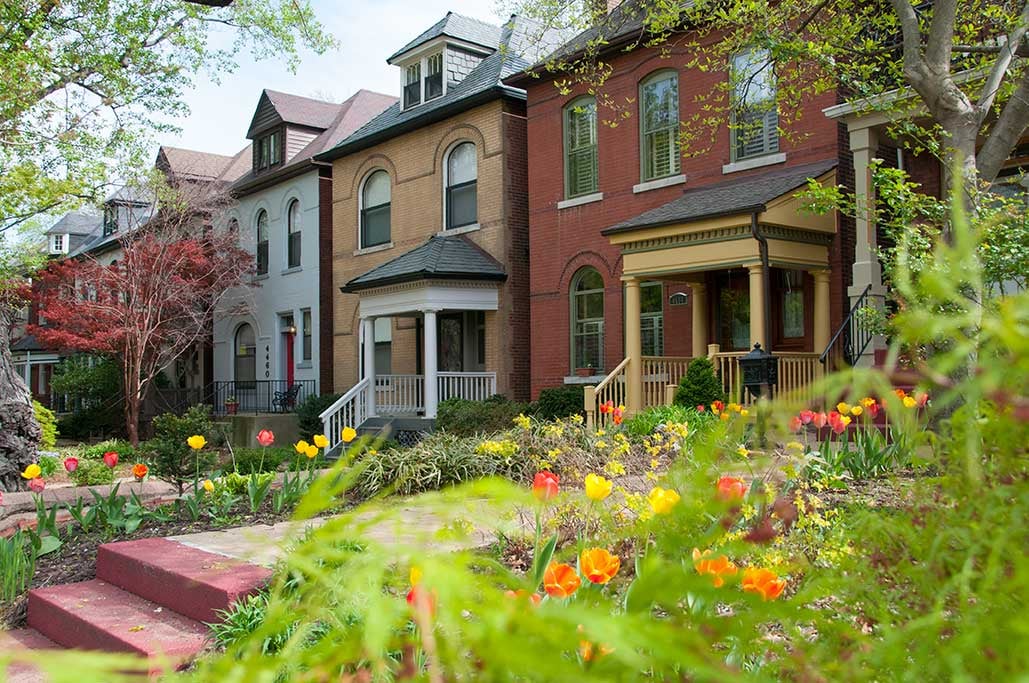
Homes in University City include historic single-family residences, classic brick homes, condos, apartments, and mixed housing types across several distinct neighborhoods. Census and Data USA place median owner-occupied home value between $285,100 and $306,700 with homeownership around 55% to 56%, while Zillow reports an average home value of $265,837 and homes going pending in about 9 days, suggesting an active and accessible market relative to some higher-priced nearby suburbs.
Best For
University City is especially attractive for physicians, university-affiliated professionals, first-time move-up buyers, and households who want central location with more character than a typical suburban subdivision. It tends to appeal to people comparing Central West End, Clayton, and nearby inner-ring suburbs who want convenience and neighborhood.
Hospital Access
University City is particularly relevant for buyers who want easier access to the Washington University medical corridor and central St. Louis hospital systems. Barnes-Jewish Hospital is located on the Washington University Medical Campus in the Central West End, and the city’s location also allows practical regional access to Missouri Baptist Medical Center, Mercy Hospital St. Louis, and other major hospitals depending on exact route and schedule.
Commute Notes
Census QuickFacts reports a mean travel time to work of 21.0 minutes, while Data USA reports an average commute of 21.5 minutes. That central positioning is one of University City’s biggest advantages for buyers who want efficient access to the city, central corridor, and multiple employment hubs.
Schools
The primary public district is the School District of University City, headquartered in University City and serving the local community. Your school pages can later expand on school options, boundary details, and how University City compares with Clayton and other nearby districts.
Nearby Private Schools
University City buyers often also consider nearby private school options in the central corridor depending on grade level, academic goals, and commute preferences.
Lifestyle
University City offers a dense suburban feel with a mix of restaurants, local businesses, parks, and established residential blocks that give the community a strong sense of identity. It is a strong fit for buyers who want a central location, neighborhood character, and access to the broader energy of the St. Louis central corridor