Overview: Central West End is one of St. Louis’s premier urban neighborhoods, blending historic character, luxury residential options, and one of the city’s most convenient locations for medical professionals. It is especially popular with buyers who want a lively, walkable setting near major employers and cultural amenities.
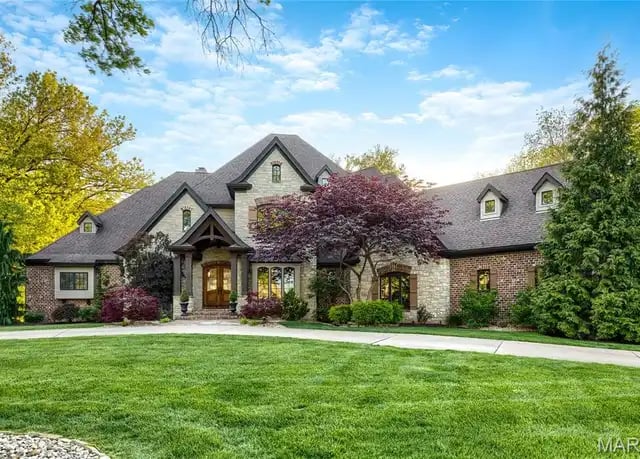
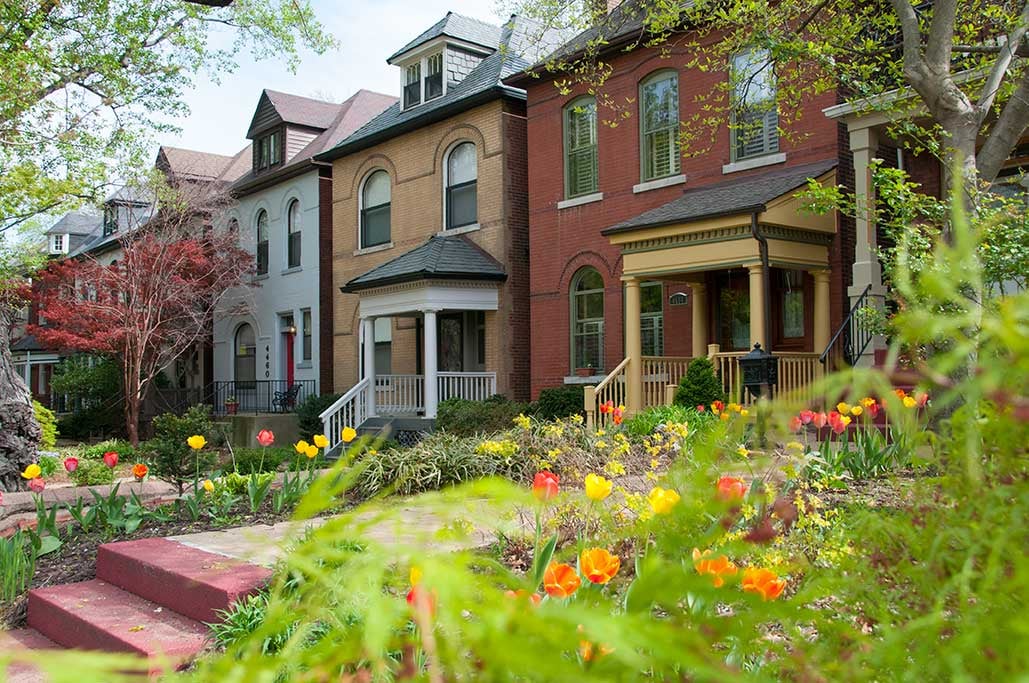
Housing: The neighborhood includes classic brick architecture, high-rise condos, renovated historic residences, and a smaller number of single-family opportunities. Buyers are often drawn to the mix of architectural charm and low-commute convenience.
Best For: Central West End tends to work best for physicians, residents, fellows, and buyers who prioritize proximity to the medical campus, restaurants, and a more city-centered lifestyle.
Hospital Access: Barnes-Jewish Hospital, St Louis Children's Hospital, and Shriner's are located in the Central West End, making this one of the most convenient neighborhoods in the region for that commute. BJC also identifies Barnes-Jewish as part of its major St. Louis network, reinforcing the area’s relevance for medical buyers.
Schools: Families searching Central West End often compare both city public options and nearby private schools depending on commute and academic priorities.
Lifestyle: Central West End is known for walkable blocks, dining, architecture, cultural institutions, and immediate access to Forest Park and the broader medical corridor. The feel is urban, established, and polished